How To Get Your Brand Future Ready For 2026
In 2026, brands won’t fail because they stop running campaigns.
They fail because they stop thinking once the campaign is over.
We’re living in a digital world where trends change every week, platforms update overnight, and people lose interest very quickly. In this kind of environment, being future-ready isn’t about chasing every new trend. It’s about building something solid while everything around keeps changing.
Campaigns create noise. Branding creates meaning.
And in 2026, brands that focus on meaning, not just short-term visibility, are the ones that actually last.
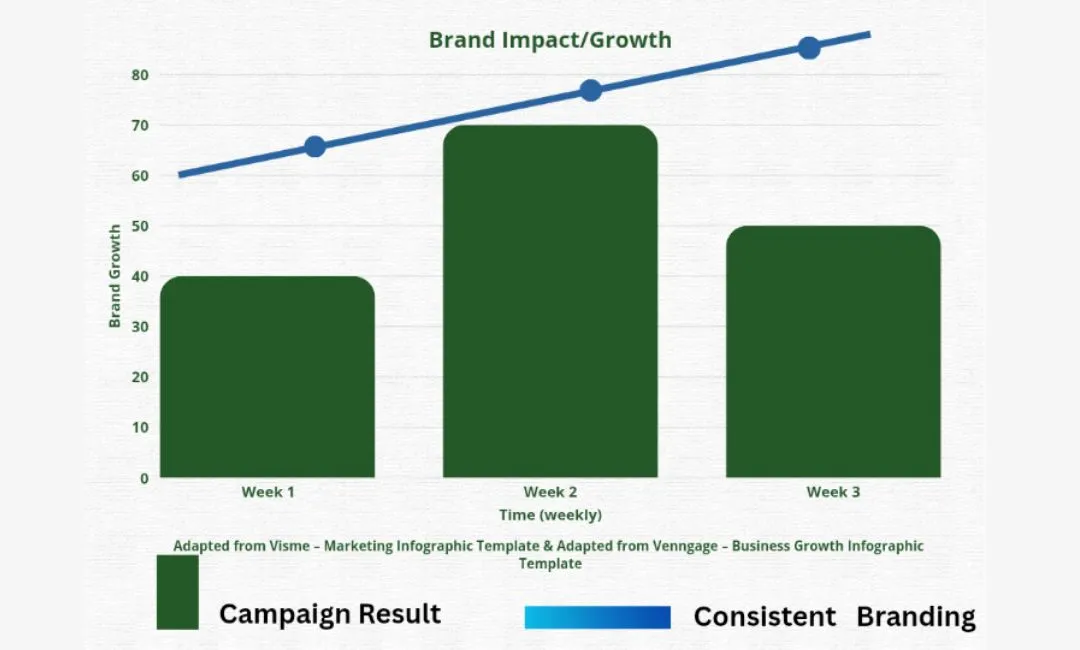
Many brands still work with fixed timelines: launch date, campaign period, result week. Once the campaign ends, the excitement ends too. In the 2026 marketing world, this brings attention for a moment but doesn’t build anything long-term.
When brands depend only on campaigns, a few issues appear quickly.
● Fast attention, faster drop
Campaigns can create quick buzz through ads and offers. But the moment the campaign stops, the attention drops too. Without a steady brand presence, people forget fast. This leads to high spending with very little long-term value. In 2026, this feels tiring and ineffective.
● A confusing brand identity
When every campaign looks and sounds different, people don’t clearly remember the brand. They may remember the idea but forget who it came from. Over time, the brand feels unclear. In a crowded 2026 market, unclear branding means weak recall and low trust.
● Complete dependence on ads
Some brands exist only while ads are running. The moment paid promotions stop, visibility drops sharply. This makes growth expensive and risky. Instead of earning trust, brands keep buying attention. Long-term growth becomes difficult.
This mindset creates short-term results, not future-ready growth.
Future-ready brands in 2026 don’t plan in weeks.
They plan in years.
They ask themselves simple but important questions:
● Will people recognise us even when ads stop?
● Will our brand still feel familiar without promotion?
● Are we building long-term memory or just chasing quick attention?
These questions change the way brands work. The focus shifts from only numbers and reach to relevance and trust. Brands stop chasing visibility and start building recognition. This mindset is what separates strong brands from forgettable ones in 2026.
In the new digital era, branding doesn’t exist only during campaigns. It shows up in daily interactions.
It’s visible in:
● How the brand talks on social media.
The tone used in captions, replies, and comments builds personality. When communication feels consistent, people start recognising the brand just by its voice. In 2026, this familiarity matters more than flashy ideas.
● How easy the website feels to use.
People decide very quickly if a brand feels trustworthy. Clean layouts and smooth navigation create confidence. A confusing experience pushes people away. In the 2026 attention economy, simplicity builds trust.
● How quickly and honestly the brand responds.
Quick and honest responses show respect. Even during issues, the way a brand communicates stays in people’s minds. In a trust-driven 2026 market, response quality matters as much as the product.
● How consistent the message feels everywhere.
When messaging feels aligned across platforms, the brand feels stable. People don’t feel confused moving between channels. Over time, this builds recognition naturally.
In this era, branding is built daily, not only during launches.
Brands that think long-term don’t panic every time trends change or algorithms update.
Instead, they focus on:
● Building a strong brand base that supports every campaign
● Keeping messaging clear even when platforms change
● Creating familiarity that survives trends and formats
This long-term thinking brings stability. And in the unpredictable digital world of 2026, stability builds trust. These brands don’t disappear when platforms change. They stay relevant because people already know them.
In 2026, people forget ads quickly.
But they remember how brands make them feel.
Future-ready brands focus on emotion, not just promotion.
1. Being relatable, not perfect.
Brands that feel human connect better. Honest communication feels more real than polished perfection. Small imperfections make brands approachable. In the new era, authenticity attracts attention.
2. Building trust instead of forcing sales.
Strong brands don’t push offers aggressively. They focus on credibility. Trust grows through consistency and transparency. When people feel comfortable choosing a brand, loyalty follows.
3. Creating relationships, not just transactions.
Future-ready brands think beyond one-time sales. They focus on long-term connection. Customers return, recommend, and stay loyal. In the new era, relationships drive real growth.
Emotion builds loyalty, and loyalty protects brands from change.
Strong brands in 2026 don’t disappear between campaigns.
They continue to:
● Show up consistently on digital platforms
● Share value even when they’re not selling
● Engage with audiences instead of only promoting
This steady presence keeps the brand familiar. In a content-heavy world, familiarity creates comfort, and comfort builds preference.
The future will bring new platforms, new formats, and new behaviour. Brands that survive are the ones that adapt without losing who they are.
Future-ready branding includes:
● Clear brand values.
Values guide decisions during uncertainty. They help brands stay grounded when trends shift. In 2026, values keep brands stable.
● Flexible communication styles.
Formats change, but meaning stays the same. Brands adapt creatively without confusing people. Innovation feels natural, not forced.
● A recognisable brand voice.
A consistent voice helps people recognise the brand instantly. Language and tone build memory. In 2026, voice matters as much as visuals.
Trends change.
Identity shouldn’t.
Branding isn’t only external. It also lives inside the organisation.
Strong internal branding:
● Aligns teams with the brand’s purpose
● Keeps communication consistent across departments
● Helps employees represent the brand naturally
When people inside the company believe in the brand, it shows outside. Employees become brand ambassadors. In the experience-driven economy of 2026, this improves customer experience automatically.
In a crowded digital space, people skip ads but remember brands.
Future-ready branding leads to:
● Stronger brand recall.
Consistency in voice, visuals, and values makes brands easier to remember. Familiar brands feel safe. Over time, memory becomes a strong advantage.
● Less pressure to run ads constantly.
Strong brands stay visible even without promotions. This reduces dependence on paid media and lowers marketing pressure.
● Deeper trust with modern audiences.
Consistency builds credibility. Honest communication creates emotional safety. In 2026, trust strongly influences decisions.
● Steady, sustainable growth.
Instead of sudden spikes and drops, growth becomes stable. Loyal customers return and recommend. Stability supports long-term scale.
Future-ready branding turns short-term players into long-term leaders.
Future-ready branding in 2026 isn’t about quick wins. It’s about building something that survives constant change.
Campaigns may create attention for a moment.
But branding builds relationships that last.
In a world where platforms change fast and competition keeps growing, a strong brand identity becomes a real advantage. It brings clarity, direction, and stability.
Brands that invest in future-ready branding don’t chase relevance.
They build it slowly, consistently, and meaningfully.
Campaigns create moments.
Branding creates meaning.
And in 2026, brands that think beyond campaigns don’t just stay visible.
They stay trusted, remembered, and chosen.