Owned Media Is the New Marketing Asset for Businesses in 2026
As we move closer to 2026, marketing is no longer about who runs the loudest ads. It’s about who builds the strongest presence. Businesses today don’t fail because they stop advertising. They fail because once the campaign ends, the brand disappears.
In a digital environment where platforms change constantly, attention spans are shrinking, and paid reach is becoming more expensive, brands need something stable. This is where owned media becomes critical.
Owned media doesn’t chase attention.
It builds memory.
And in 2026, memory will matter more than visibility.
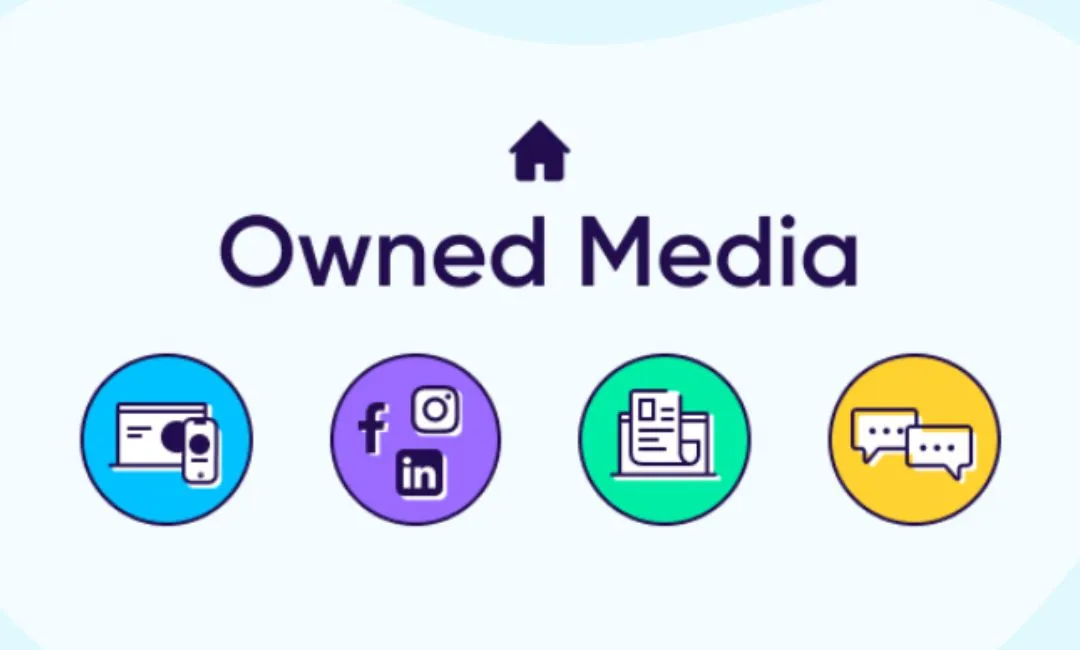
Owned media refers to all the digital platforms and content a business fully controls. This includes websites, blogs, email newsletters, brand apps, podcasts, and even long-form social content hosted on brand-owned channels.
Unlike paid media, owned media doesn’t disappear when the budget stops. Unlike earned media, it doesn’t depend on external approval or virality. It stays available, searchable, and accessible at all times.
For businesses, owned media is not just content.
It is infrastructure.
It becomes the base on which all future marketing efforts stand.
The digital ecosystem in 2026 will be more crowded than ever. Every brand is competing for the same attention on the same platforms. Algorithms decide reach, costs keep rising, and visibility becomes unpredictable.
Owned media gives businesses stability in this chaos. It allows brands to communicate directly with their audience without intermediaries. Instead of renting attention from platforms, businesses start owning relationships.
This shift turns marketing from a recurring expense into a long-term asset.
Most brands still depend heavily on ads and social platforms for visibility. While these channels are useful, they come with limitations that businesses often overlook.
Reach can drop overnight due to algorithm changes.
Engagement fluctuates based on trends.
Visibility stops the moment spending stops.
Owned media reduces this dependency. It gives brands a space that isn’t controlled by changing rules. Instead of reacting to platforms, businesses can focus on building their brand narrative consistently.
Brand equity is built when people recognise, trust, and remember a brand without being reminded repeatedly. Owned media plays a major role in creating this long-term value.
When a brand consistently shares useful insights, opinions, or stories, it starts occupying mental space in the audience’s mind. Over time, the brand becomes familiar and reliable.
This familiarity increases perceived value. Businesses with strong owned media are often seen as leaders rather than advertisers.
Attention is temporary. Memory lasts longer. Owned media helps brands move beyond one-time impressions and into long-term recall.
1. Consistency Creates Recognition Over Time
When brands publish regularly on their owned platforms, audiences start recognising patterns in tone, visuals, and thinking. This repeated exposure reduces the effort needed to remember the brand. Instead of reintroducing themselves repeatedly, brands build on existing familiarity. Over time, recognition becomes automatic. This consistency strengthens brand memory without aggressive promotion.
2. Familiar Brands Feel Safer to Choose
People don’t always choose the best option; they choose what feels familiar. Owned media keeps brands present even when the audience is not ready to buy. Blogs and emails create comfort and understanding. When a decision moment arrives, people naturally prefer brands they already know. This reduces hesitation and speeds up decision-making.
3. Memory Drives Repeat Engagement and Loyalty
Owned media encourages people to return. When audiences remember a brand for clarity or value, they revisit willingly. This repeat interaction builds loyalty over time. Loyal audiences require less persuasion and are more forgiving. Memory transforms brands from options into preferences.
Digital uncertainty is the new normal. Platforms change, formats evolve, and trends reset constantly. Owned media gives brands a stable foundation during this uncertainty.
1. Reduced Dependence on Algorithms
Algorithms control visibility on social platforms, not brands. Owned media bypasses this dependency. Even if reach drops elsewhere, websites and email lists remain accessible. This control reduces panic-driven marketing decisions. Brands can focus on strategy instead of survival.
2. Consistent Identity Across Change
Owned media allows brands to maintain a clear identity even as platforms change. While formats evolve, the message stays consistent. This helps audiences understand what the brand stands for. Consistency builds trust even during transition periods.
3. Strategic Thinking Over Reactive Marketing
Brands with owned media don’t need to chase every trend. They can plan content thoughtfully and align it with long-term goals. Decisions become intentional rather than reactive. This improves clarity and direction.
4. Continuity During Low-Activity Phases
Every business experiences slow phases.
Owned media ensures the brand doesn’t disappear during these times. Content continues to educate and engage. This continuity prevents the need to rebuild visibility from zero later.
Owned media removes intermediaries between brands and audiences. There are no algorithms deciding who sees the message.
This direct connection allows brands to communicate clearly, gather feedback, and build trust. Over time, audiences feel heard rather than targeted. This relationship becomes more personal and durable.
Direct access also improves communication quality and relevance.
Owned media doesn’t replace campaigns. It makes them stronger.
1. Campaigns Perform Better With Pre-Built Trust
When audiences already know the brand, campaigns feel less intrusive. Trust built through owned media reduces skepticism. Conversions improve because the brand feels familiar. Campaigns amplify existing belief rather than creating it from scratch.
2. Clear and Aligned Messaging Across Channels
Owned media acts as the brand’s central narrative. It ensures consistency across ads, social posts, and PR. When messages align everywhere, audiences feel clarity. This clarity strengthens credibility and recall.
3. Better Content Efficiency
Owned content can be repurposed across channels. A blog can become social content, email insights, or campaign themes. This saves time and resources. Teams work more efficiently without creative exhaustion.
4. Deeper Audience Insights
Owned platforms provide meaningful data. Brands understand what content works and what doesn’t. This improves decision-making. Marketing becomes data-informed instead of assumption-driven.
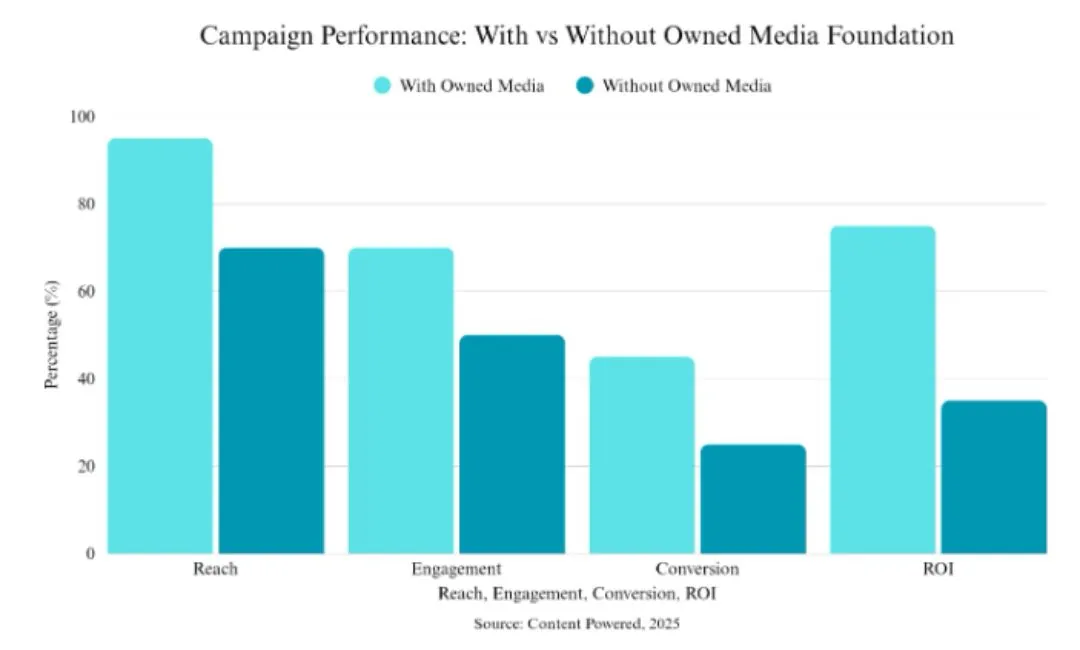
This graph shows how campaigns perform with and without owned media. With owned media, reach, engagement, conversions, and ROI are all higher.
Owned media gives your brand a base to connect with people. Without it, campaigns don’t work as well and results stay low.
Paid marketing costs continue to rise. Owned media helps balance this.
Strong owned platforms reduce dependency on constant spending. Organic traffic increases over time. Customer acquisition costs decrease as trust builds. This makes growth more sustainable.
Businesses that educate instead of interrupt gain authority. Owned media allows brands to share insights, opinions, and expertise freely.
Over time, brands become known for their thinking, not just their products. This authority attracts partnerships, opportunities, and higher-quality customers. Thought leadership builds reputation beyond transactions.
Owned media increases brand valuation. Websites, content libraries, and email lists are tangible assets.
They support fundraising, partnerships, and long-term planning. Unlike ads, these assets grow in value over time. For businesses, this turns marketing into equity.
As we move toward 2026, businesses must rethink how they approach growth. Paid ads may bring attention, but owned media builds relationships. Campaigns create moments, but owned media creates meaning.
Brands that invest in owned media don’t chase visibility.
They build presence.
They don’t depend on platforms.
They create stability.
In a future where attention is fragile, owned media becomes the strongest asset a business can own.