Personalized Marketing in 2026: The New Way Brands Talk to You
Marketing in 2026 is shifting completely. Brands don’t want to guess what people like; they want to be sure. That’s where hyper-personalized marketing comes in. You’ve experienced it already: you check one product and instantly get the perfect ad, video, or playlist that feels made just for you. This is hyper-personalization, and it has become the core of modern digital strategy.
Hyper-personalized marketing is all about creating content that feels personal, almost like it was designed only for you. Brands study what you search for, watch, scroll, save, or buy, and then deliver content based on your exact taste. Nothing is random or generic; everything is precise and relevant. For instance, if you watch a few Japan travel vlogs, you’ll instantly start seeing ads for flights, hotels, or guides without even searching for them. That is the real power of hyper-personalization.
Brands are switching to hyper-personalization because it works better than traditional marketing.
● People skip boring, generic ads because they don’t feel connected.
● Relevant content gets far more clicks, engagement, and shares.
● Customers trust brands that understand them personally.
● Personal experiences lead to higher sales, because people feel the brand “gets” them.
● Personalization reduces time-to-purchase by helping customers make faster decisions.
● Repeat customers come more often because the customer journey feels easy and familiar
● Brands save money by targeting only the right audience instead of everyone.
When people feel seen and understood, they respond better.
In 2026, personalization isn’t optional, it’s how brands stand out.
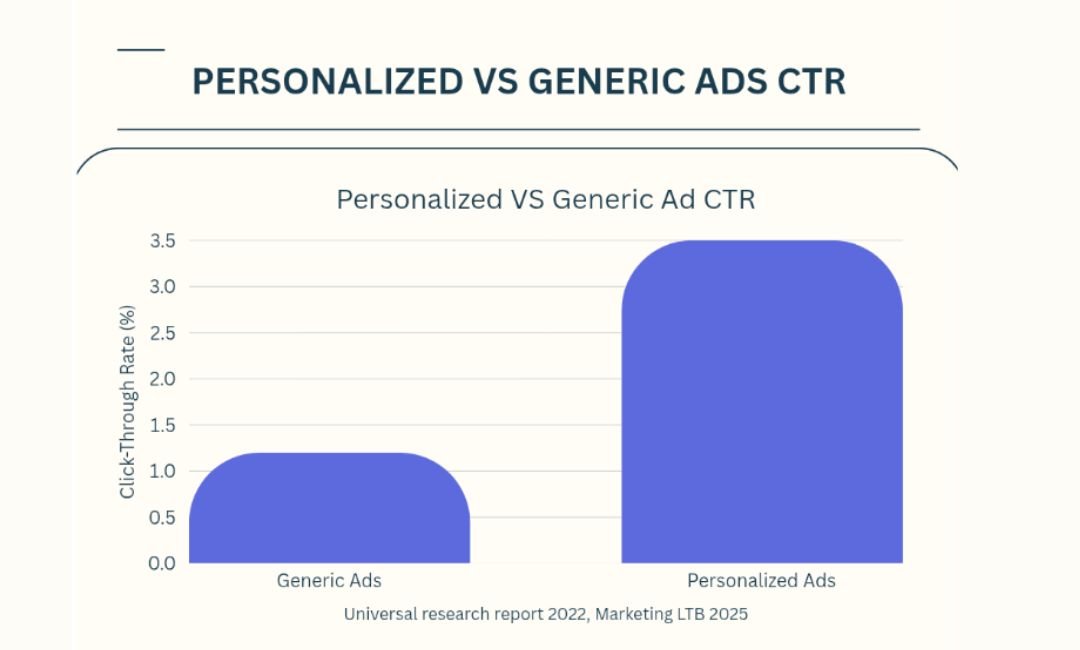
📊 Graph 1: Personalized Ads Perform Better
This clearly shows why brands prefer personalization; it grabs attention and drives action faster than generic ads.
Brands use multiple layers of personalization
First-party data:
Tracks your behaviour on websites and apps that you click, search, scroll, and buy. It even understands how often you return to a product or how long you spend on a page. This helps brands predict your next move and show suggestions that feel naturally aligned with your interests.
Intent-based content:
Targets content based on the stage you’re in exploring, comparing, or ready to buy. If you’re still researching, you’ll see guides; if you’re finalising, you’ll get offers or quick reassurance. It ensures you only see content that matches exactly what you need at that moment.
Real reviews & creator videos:
Shows content from people whose style, budget, or preferences are similar to yours, making the experience feel relatable. If you follow fashion creators, you’ll get try-on videos; if you love tech, you’ll see gadget reviews. This builds trust because it feels like honest advice from people like you.
Personalized emails:
Sends recommendations based on your browsing history instead of generic promotions. The system tracks the categories you check often and the time you’re usually active. Emails adapt to your taste, your budget range, and your activity patterns, making them far more relevant.
Dynamic web pages:
Displays different homepages, banners, and product sections for every visitor. If you keep checking sneakers, that becomes the first thing you see. The website adjusts in real time, making you feel like it was designed around your habits and choices.
Smart chatbots:
Remember your previous chats and provide responses that feel natural and contextual. If you had a past issue or inquiry, the bot continues from there instead of starting fresh. It understands your preferences and helps you instantly without feeling robotic.
VIP experiences:
Reward loyal customers with early access, exclusive deals, or personalized perks. If you shop frequently in one category, brands tailor the rewards around it. These experiences make customers feel recognised and appreciated.
Post-purchase suggestions:
Recommend products based on what you recently bought. If you purchase a phone, you’ll see accessories; if you buy skincare, you’ll get routine add-on suggestions. These recommendations feel like helpful guidance rather than upselling.
Saved or one-click checkout:
Pre-fills your details, remembers your preferred payment method, and speeds up the buying process. It helps avoid frustration and makes the purchase journey smooth and effortless.
Behaviour-triggered automation:
Send reminders like “back in stock,” “price drop,” or “similar items you may like,” based on your browsing activity. These triggers feel timely and helpful because they appear exactly when you need them.
Spotify: It creates playlists like Daily Mix, Discover Weekly, and Wrapped based on your mood and habits.
Amazon: It predicts what you might buy next by analysing your clicks, searches, and wishlists.
Netflix: It personalizes thumbnails and recommendations based on your viewing style.
Nike: Lets users design shoes based on colour, fit, past orders, and movement data from the Nike app.
Sephora: Suggests products based on skin type, past purchases, and virtual try-on behaviour.
All this make the experience feel crafted around you.
AI is the brain behind hyper-personalization. It studies behaviour in real time and adjusts content instantly. Websites shift layouts based on your actions, videos are recommended before you search, and chatbots respond using your previous context. Big data, machine learning, and AI together create fast, intelligent, and human-like experiences that make personalization feel natural in 2026.
In 2026, personalization isn’t just in one place it’s everywhere. Almost every digital platform you use adapts itself based on your behaviour, making your experience smoother and more relevant without you even noticing it.
● Social Media Feeds adjust to your engagement and interests, showing posts, reels, and ads based on what you interact with the most.
● Search Results highlight pages you’re more likely to click, making information faster and easier to find.
● Ad Recommendations match your current browsing habits, so you only see offers connected to what you recently viewed or searched.
● Chat Conversations feel like talking to a human who remembers your past questions, preferences, and concerns.
● Shopping Apps display products tailored to your lifestyle, sizes, price range, and previous purchases making buying decisions effortless.
The digital world adapts to your taste almost like it knows you personally.
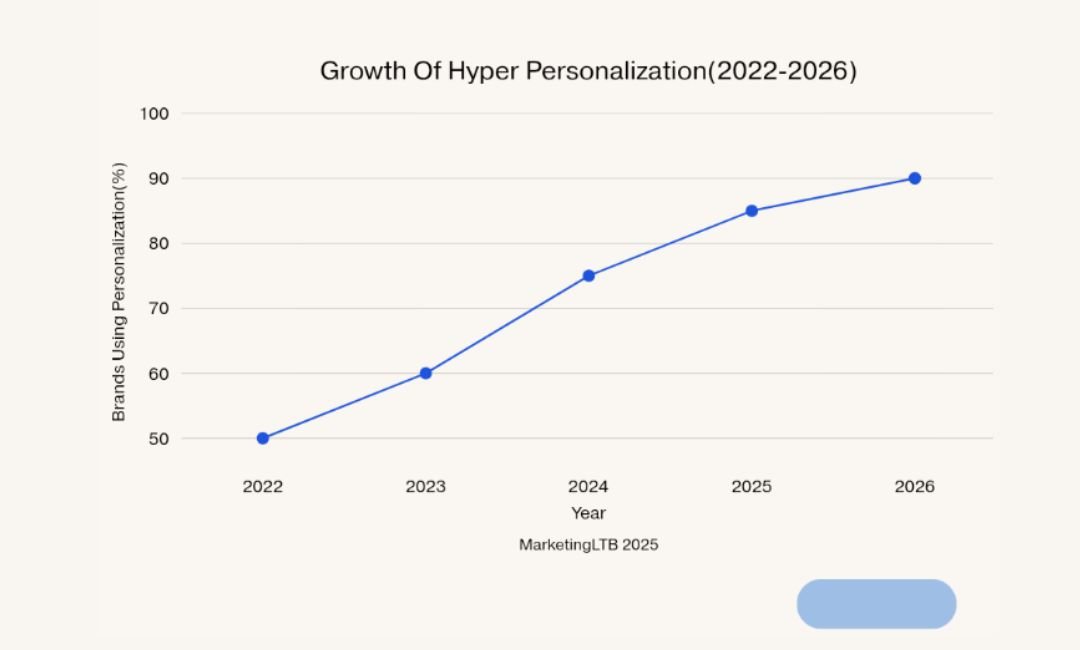
📈 Graph 2: Growth of Hyper-Personalization (2022–2026)
This shows how quickly personalization has become the new standard.
Small businesses can also benefit without huge budgets. They can start with simple tools like email automation that sends personalized offers based on browsing or abandoned carts.
Even basic analytics reveal which products customers check the most, helping businesses recommend the right items. Local brands can use WhatsApp broadcast lists, personalized discount codes, and repeat-customer rewards to build loyalty.
AI chatbots, even basic ones, help answer queries instantly and make customers feel valued. Small but consistent personalization creates an emotional connection that big brands often can’t achieve.
Hyper-personalization is powerful but needs careful handling. Too much tracking can feel intrusive and push customers away. Brands must be transparent about what data they collect and why. Privacy laws like GDPR and new digital regulations require companies to stay ethical and responsible. There is also a risk of getting personalization wrong, which makes the experience annoying instead of helpful. The goal is to stay personal, not invasive. Brands that achieve this balance earn long-term trust.
● People demand faster, smarter, and relevant digital experiences.
● Competition online is fierce personalization helps brands stand out.
● Real-time data analysis and AI are improving constantly.
● Customers now expect personalization automatically not as a bonus, but as the norm.
It’s no longer an optional strategy.
It’s the new standard for winning in digital marketing.
● Whether you’re a startup, agency, or established brand, personalization directly impacts business growth. Hyper-personalized strategies help brands:
● Reduce marketing waste by targeting only interested audiences
● Increase customer lifetime value through consistent, relevant engagement
● Build loyalty by delivering experiences customers emotionally connect with
● Improve conversions by showing the right product at the right time
● Strengthen brand recall through tailored messaging
● Create smoother customer journeys with fewer drop-offs
Businesses that apply personalization at every touchpoint grow faster and retain customers longer.
Hyper-personalized marketing is no longer a trend; it is the heart of modern digital strategy. The brands that succeed in 2026 are the ones that truly understand customer behaviour and make every step smoother, faster, and more relevant.
Personalization removes guesswork from the user experience and replaces it with clarity. People see exactly what they want, when they want it.
When done right, it turns digital interactions into meaningful experiences. Customers feel listened to, not targeted. They trust brands that anticipate their needs without being intrusive and deliver value without overwhelming them.
Personalization creates a sense of familiarity, making people feel like the brand is built around them.
In the end, the brands that win are the ones that stay relevant, thoughtful, and consistent in short, the ones that make every customer feel understood on a personal level.